


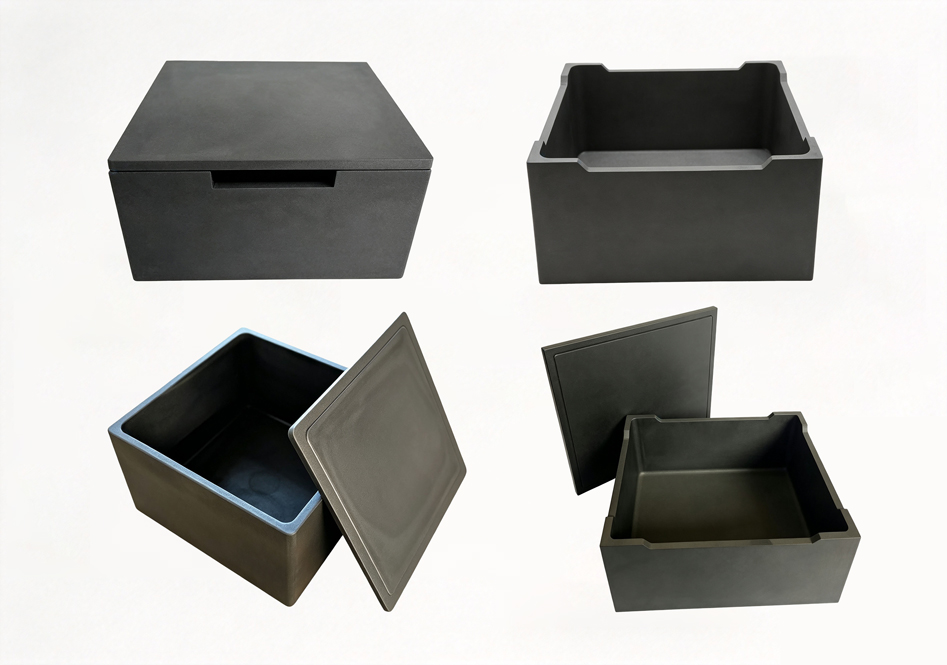
Application
Dimensions or Structural Requirements for Discussion
Application
Dimensions or Structural Requirements for Discussion
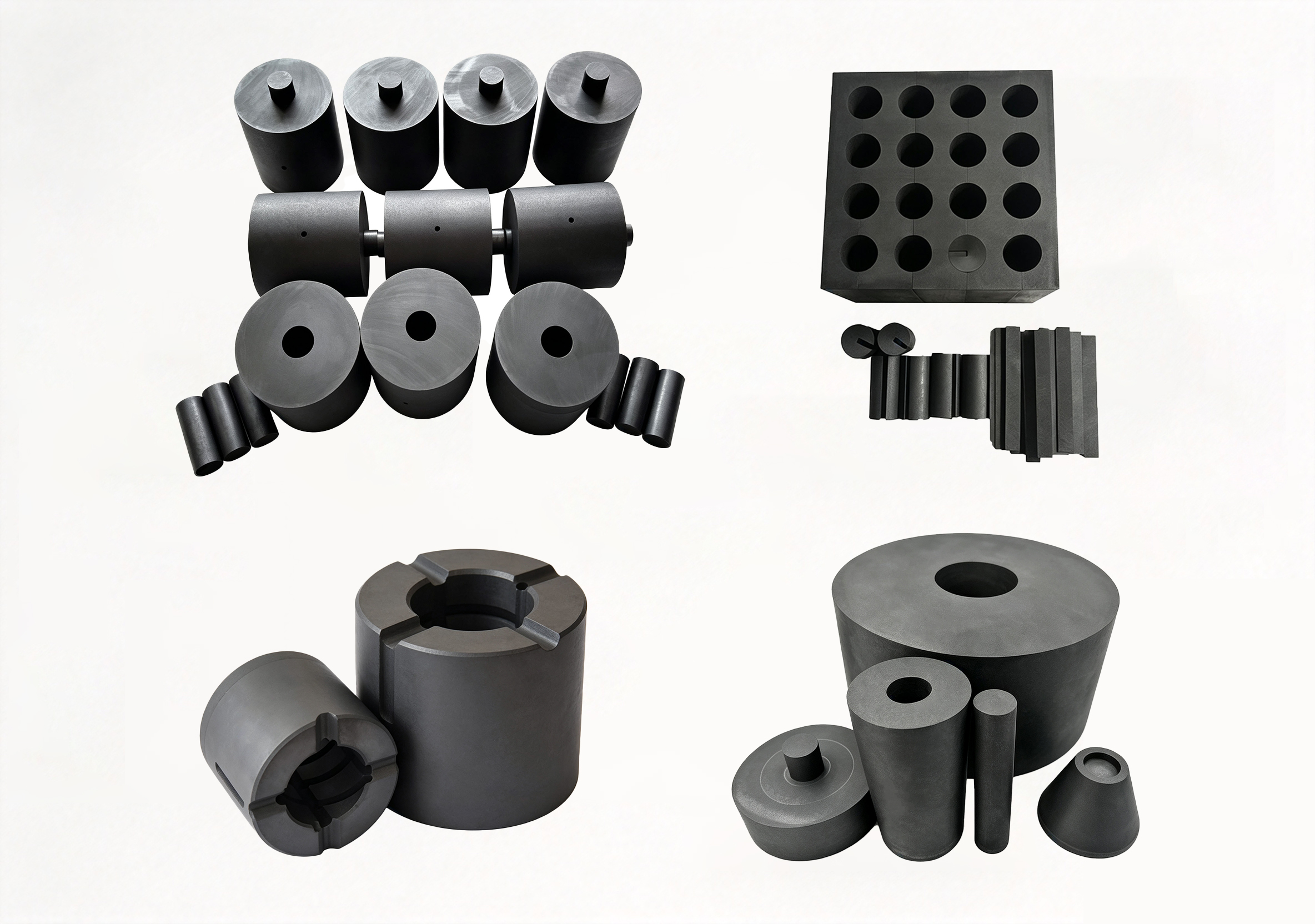
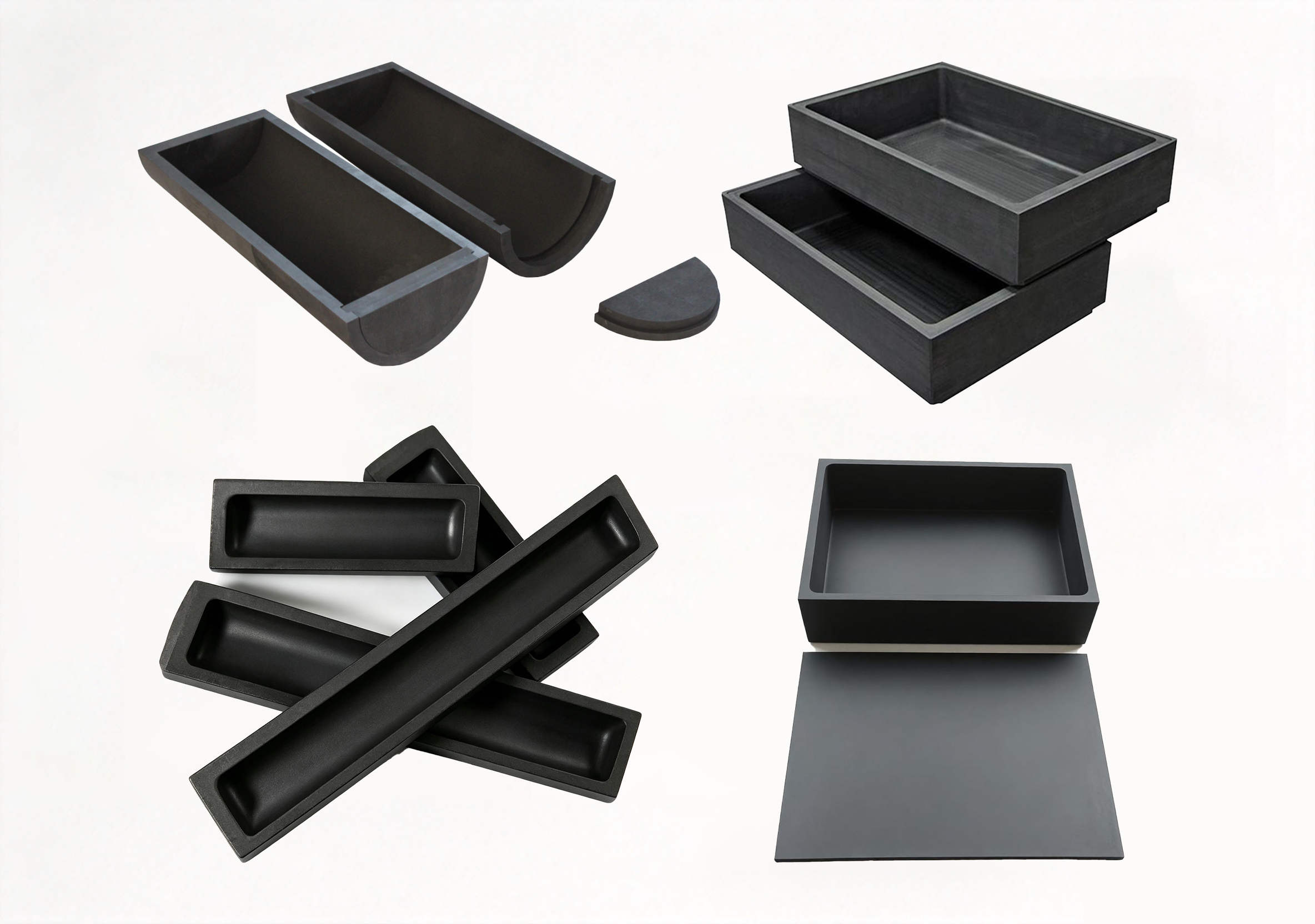
Application
Dimensions or Structural Requirements for Discussion (Holes, Slots, and Load-Bearing Configurations)
Application
Dimensions or Structural Requirements for Discussion (Interfaces and Electrical Parameters)
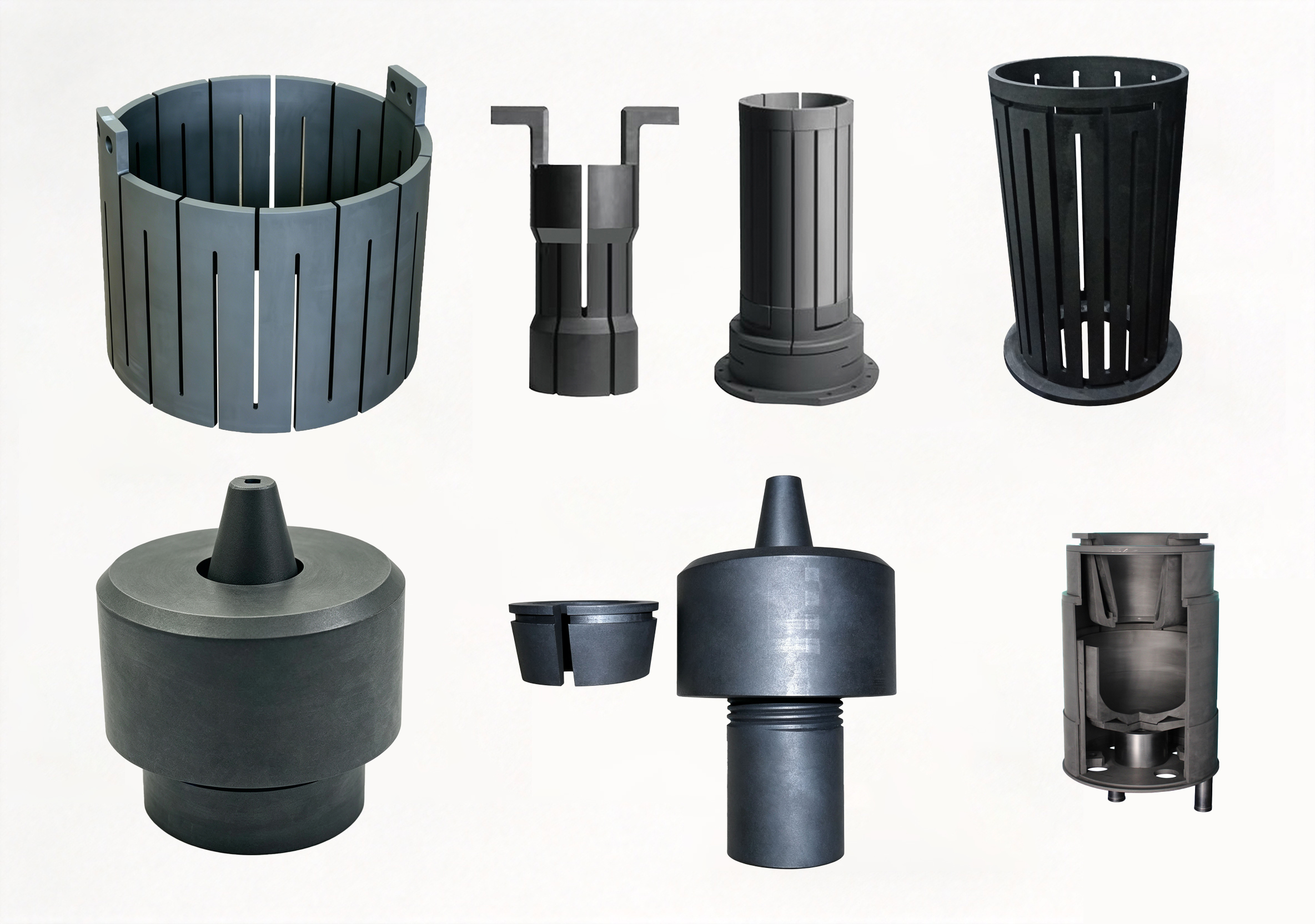
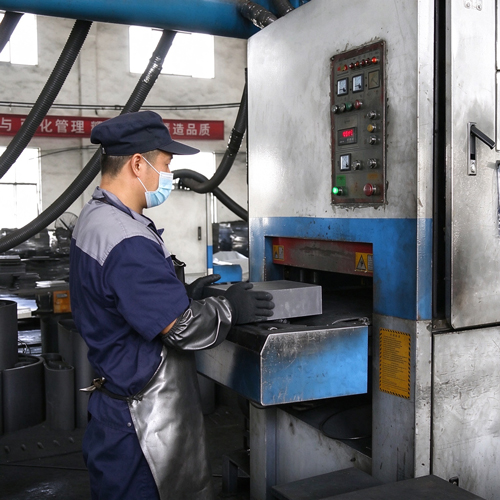
Operations
Press-forming of graphite blanks
Capabilities
Pressing graphite powder into graphite blank blocks under pressure is the previous process in graphite mechanical processing. Square and rectangular basic graphite blanks are pressed out to ensure uniform density of the blanks, providing raw material base materials for subsequent sawing and CNC processing, and determining the basic density of the graphite matrix.
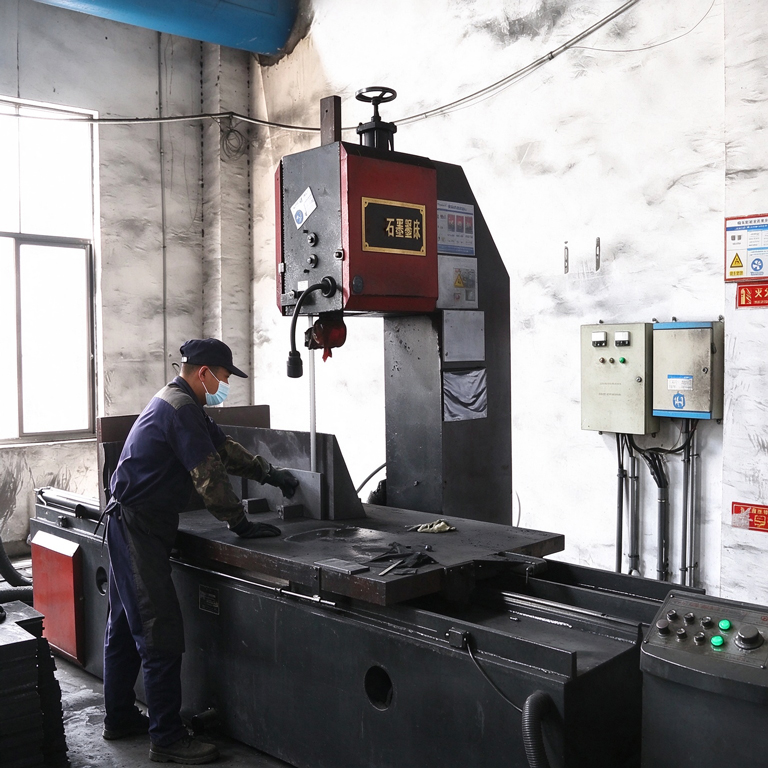
Operations
Band Saw Cutting, Rough Cutting
Capabilities
Straight-line sawing is used to cut large graphite blanks into standard-sized square pieces and plates; this is the first step in the cutting process, which involves cutting the blanks to basic lengths and widths to prepare them for lathe and CNC machining, while controlling the length and width allowances of the plates.
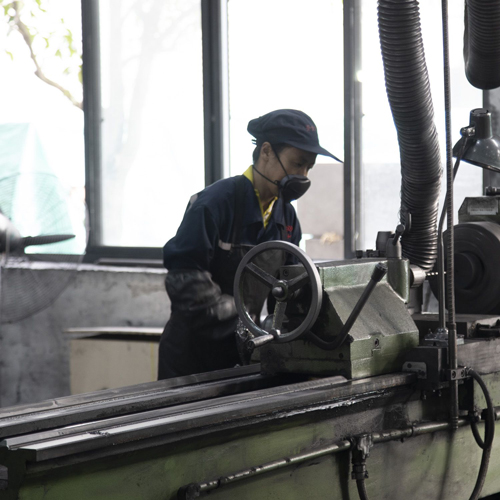
Operations
Turning of long graphite rods.
Capabilities
Machining of long graphite rods, shafts, and sleeves. Includes turning of external surfaces, end faces, and stepped features. Suitable for long graphite conveyor rollers and electrodes, with strict control over total length, straightness, and outer diameter tolerances.
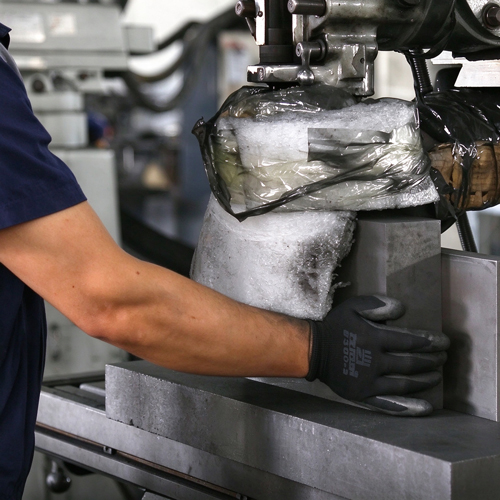
Operations
Milling of reference surfaces and rough milling.
Capabilities
Squaring and leveling all six sides of graphite blocks, milling reference planes, and machining locating steps to establish a datum for subsequent CNC operations. Ensures the flatness and perpendicularity of reference surfaces; serves as a preparatory step for the precision machining of complex graphite components.
Operations
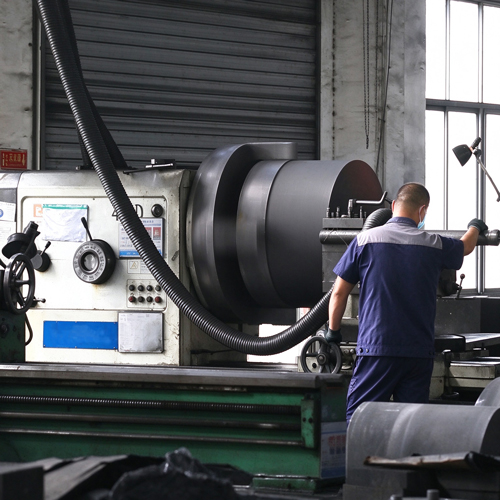
Rough and finish turning of large graphite rings, sleeves, and crucibles.
Capabilities
Machining of extra-large diameter graphite cylinders, rollers, and ingot-casting molds. Operations include turning large outer diameters, large inner bores, end faces, and annular steps. Precise control over wall thickness, roundness, and concentricity ensures suitability for large rotating graphite components used in photovoltaic thermal zones and metallurgical applications.
Operations
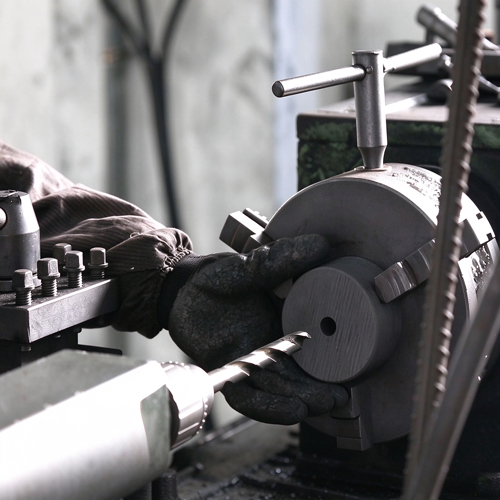
Rough/finish turning and drilling
Capabilities
Clamps cylindrical graphite stock to perform external turning, face leveling, pre-drilling, and the machining of steps and counterbores. Used to produce graphite cylinders, sleeves, plugs, and shaft-like components with internal bores, while maintaining precise control over inner/outer diameters, lengths, and step dimensions.
Operations
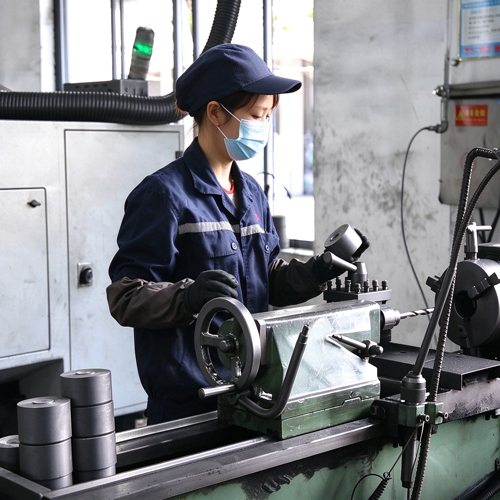
Precision Turning of Small Graphite Parts
Capabilities
Batch turning of small-scale rotational graphite parts, such as sleeves, nuts, sealing rings, and shafts. Includes precision finishing of outer diameters, inner bores, and chamfers, with strict control over coaxiality, thickness, and inner/outer diameter dimensions across the production run.
Operations
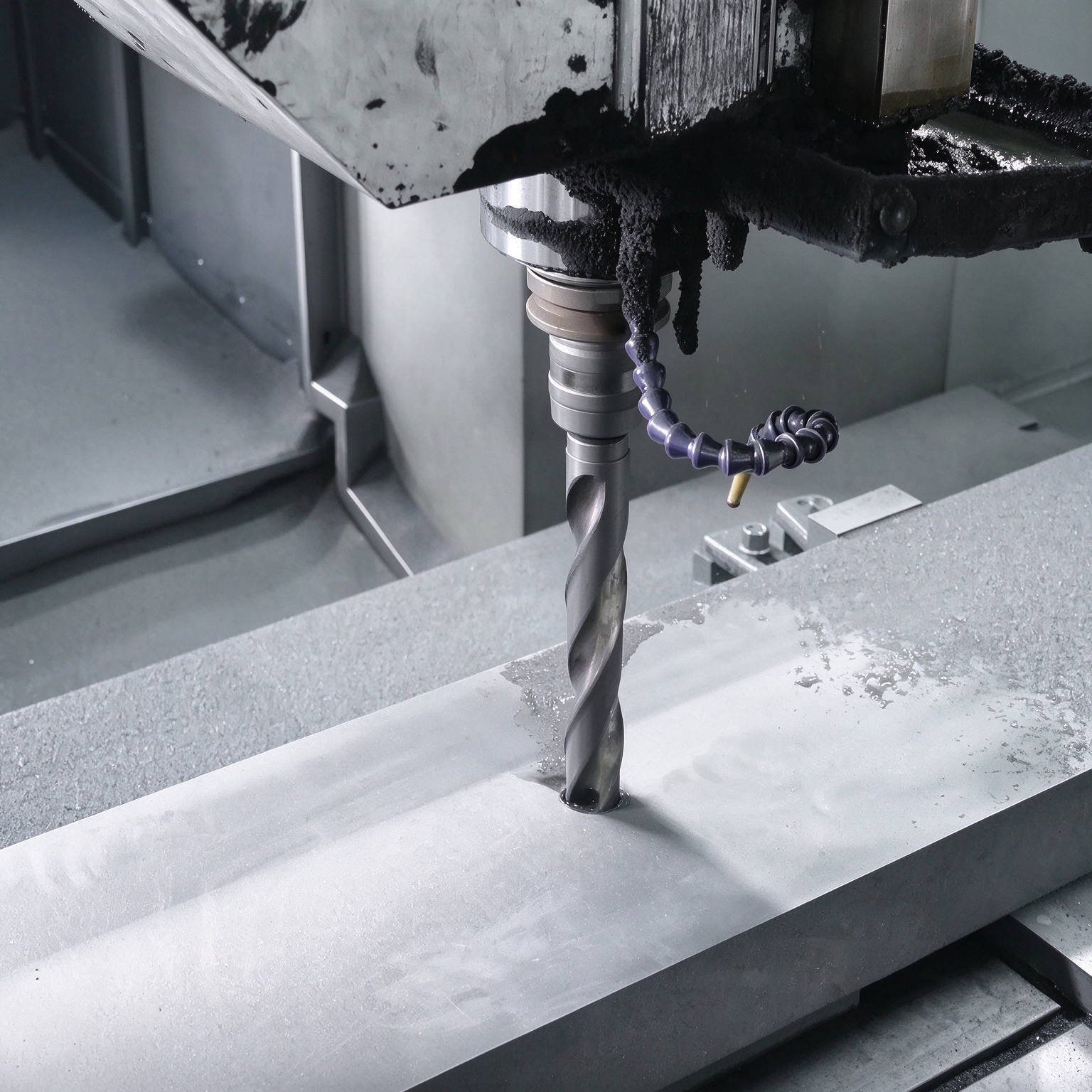
Precision CNC drilling and milling
Capabilities
High-precision CNC machining, including accurate drilling, slotting, and surface milling on graphite plates or blanks. Used to create high-precision positioning holes, through-holes, counterbores, and reference surfaces for components such as graphite plates, boats, and fixtures, with strict control over hole spacing, diameters, and flatness tolerances.
Operations
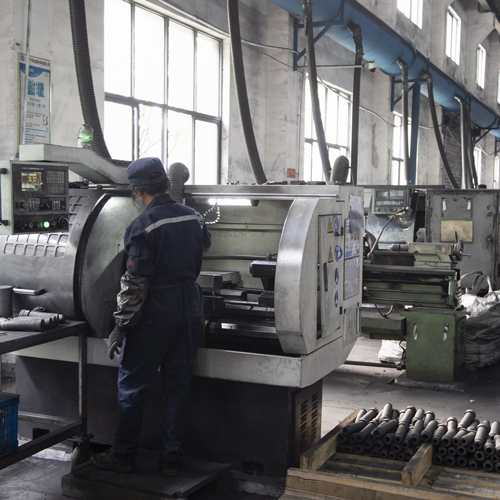
Batch Machining of Rotating Parts on CNC Lathes
Capabilities
Automated batch machining of graphite rotary parts (graphite tubes, graphite shafts, graphite rollers, graphite connecting sleeves); automatic feed turning of outer diameters, inner bores, threads, and tapered surfaces, suitable for high-volume production of standardized graphite rotary parts with high dimensional consistency.
Operations
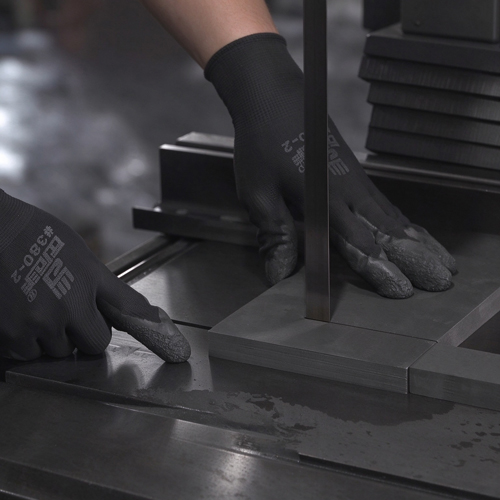
Precision Cutting and Trimming with a Band Saw.
Capabilities
Secondary precision cutting and trimming of graphite plates, cutting thin graphite plates and narrow graphite parts, cutting straight edges, and trimming burrs and allowances on the blanks to obtain regular graphite strips, meeting the material requirements for subsequent plate assembly, slotting and drilling.
Operations
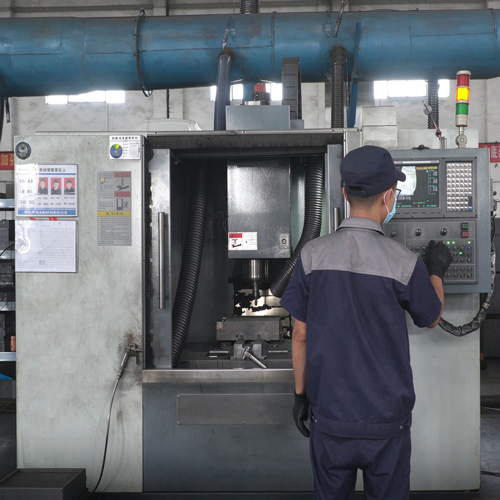
CNC programming, tool setting, and Mass Production.
Capabilities
Operators set up programs and debug fixtures to perform batch machining of various custom-shaped graphite parts, graphite bundle wheels, and graphite molds. The machine can complete the entire machining process—including drilling, milling grooves, engraving, and contouring—ensuring dimensional consistency across products within the same batch. It serves as the primary precision machining equipment for custom-shaped graphite parts.
Operations
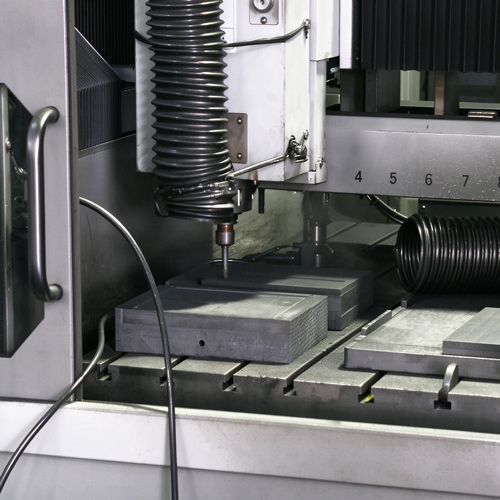
CNC Carving and Milling of Graphite, Cavity Machining.
Capabilities
Suitable for machining thin graphite plates, graphite boats, graphite mold cavities, grooves, steps, and irregular contours; it mills complex cavities, flow channels, and positioning slots. It serves as the core precision machining equipment for photovoltaic graphite boats and graphite fixtures, ensuring compliance with tolerances for contours, groove depths, and cavities.
Operations
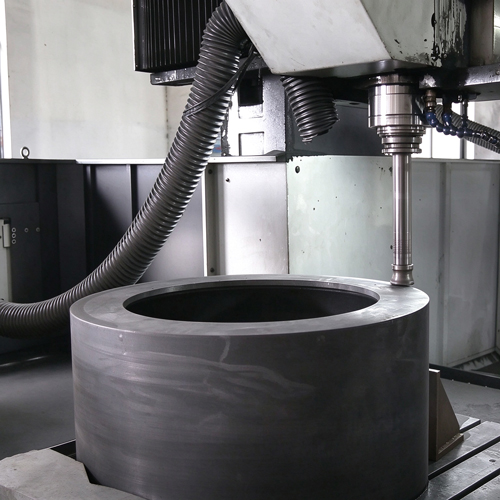
CNC milling and boring processing of large parts with gantry.
Capabilities
Designed for large graphite sleeves, crucibles, rings, and ingot molds. Functions include boring large inner diameters, milling end faces, and machining circular steps or external annular grooves. Ensures strict control over roundness, wall thickness, and end-face parallelism for large workpieces.
Operations
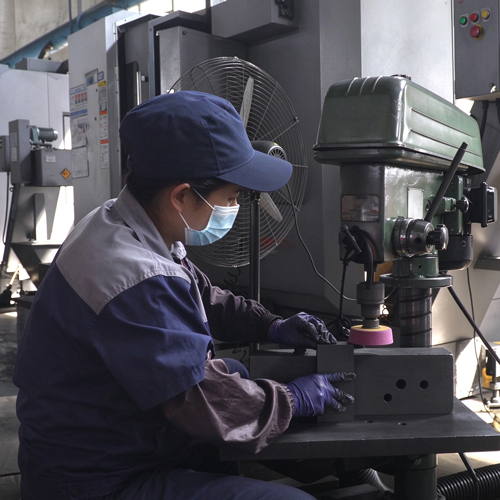
Manual grinding, deburring, and finishing.
Capabilities
Chamfering, grinding, and polishing the edges and hole openings of graphite workpieces after CNC and lathe machining; removing sharp edges and burrs, trimming chipped edges on hole openings, and optimizing surface finish. Suitable for post-processing small parts such as graphite plates, boats, and fixtures, with controlled chamfer dimensions and surface roughness.
Operations
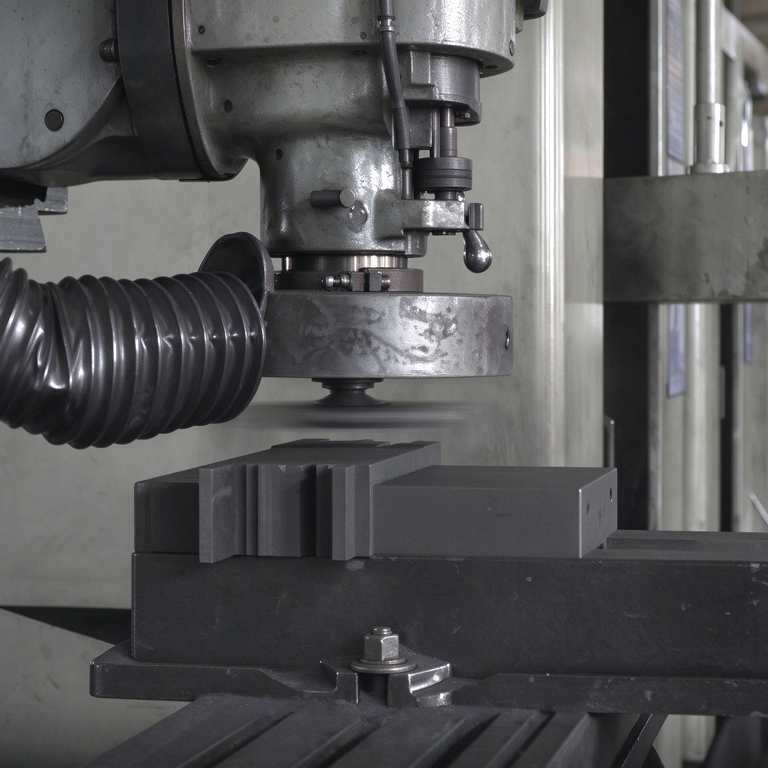
Rough Milling and Multi-Groove Forming with a Gantry Milling Machine.
Capabilities
Batch processing of parallel grooves, slots and step structures on graphite billets; It is widely used in graphite boats, graphite fixtures, and flow-guiding graphite parts, controlling the width, depth, distance and parallelism of the slots. It is suitable for processing long graphite plates with multiple slots.

 +86-795-4605783
 sales@nhdcarbon.com
 No. 966 of Tiangong South Avenue, High-tech Industrial Park, Fengxin County, Yichun City, Jiangxi Province, China.
