


Views: 0 Author: Site Editor Publish Time: 2026-02-02 Origin: Site


Non-ferrous metals, which are metals that do not contain significant amounts of iron, play a vital role in many industries due to their unique properties, such as corrosion resistance, light weight, and high conductivity. These metals, including aluminum, copper, titanium, and others, are essential in sectors like aerospace, electronics, automotive, and construction. One of the most important factors in selecting the right non-ferrous metal for a specific application is strength. The strength of a material determines its ability to withstand stress, pressure, and environmental factors, making it crucial for industries that require high performance, such as aerospace and military applications. As each non-ferrous metal offers different levels of strength, choosing the right one can significantly impact the safety, efficiency, and durability of the final product.
Non-ferrous metals are valued for their unique properties, which distinguish them from ferrous metals (those containing iron). Here are the key characteristics that make non-ferrous metals essential across various industries:
One of the most important qualities of non-ferrous metals is their resistance to corrosion and rust. Unlike ferrous metals, which oxidize and corrode when exposed to moisture and oxygen, non-ferrous metals like aluminum, copper, and titanium are naturally resistant to these effects. This property makes them ideal for use in harsh environments, such as marine applications, construction, and chemical processing.
Many non-ferrous metals, especially aluminum and titanium, are lightweight compared to ferrous metals. Their low weight makes them highly sought after in industries such as aerospace, automotive, and transportation, where reducing weight is critical for improving performance, fuel efficiency, and overall cost-effectiveness.
Non-ferrous metals like copper and aluminum are excellent conductors of electricity and heat. Copper, in particular, is widely used in electrical wiring and electronics due to its superior conductivity, while aluminum is used in power transmission lines. These metals are indispensable in the electronics, telecommunications, and energy industries.
Non-ferrous metals are typically more malleable and ductile than ferrous metals, which means they can be easily shaped, stretched, or molded into different forms without breaking. This property is particularly useful in manufacturing processes where complex shapes and designs are needed, such as in the production of jewelry, coins, and other precision parts.
Most non-ferrous metals, such as copper and aluminum, are non-magnetic, which makes them ideal for applications where magnetic interference is unwanted, such as in sensitive electronic devices, MRI machines, and electrical transformers.
Strength is a crucial property when selecting the right non-ferrous metal for specific applications. While non-ferrous metals are generally not as strong as some ferrous metals, their strength-to-weight ratio is often more favorable, especially in high-performance industries. In applications like aerospace, military, and automotive, materials must not only be strong but also lightweight to enhance efficiency and performance.
Aerospace: Materials like titanium are used in aircraft and spacecraft for their high strength and low weight, which helps reduce fuel consumption while maintaining structural integrity.
Medical Applications: Gold and titanium’s strength and biocompatibility make them ideal for implants and prosthetics, ensuring long-lasting and reliable performance.
Heavy-Duty Construction: Metals like copper and aluminum are used in construction and electrical infrastructure, where both strength and corrosion resistance are essential for durability.
Among all non-ferrous metals, titanium is widely considered the strongest due to its exceptional combination of strength, light weight, and durability. Here’s why titanium stands out as the strongest non-ferrous metal, as well as how it compares to other strong non-ferrous metals like aluminum alloys and beryllium.
Titanium’s reputation as the strongest non-ferrous metal comes from its high strength-to-weight ratio—it is incredibly strong yet much lighter than many other metals, such as steel. Titanium is nearly as strong as steel but is much less dense, making it an ideal material for applications requiring both strength and lightweight properties. This combination is critical in aerospace, military, and medical applications, where performance and weight savings are crucial.
Aluminum Alloys:
While aluminum is lightweight and corrosion-resistant, it is not as strong as titanium. However, aluminum alloys, such as 7075 aluminum, are designed to offer improved strength and are widely used in aerospace and military industries. Despite this, aluminum alloys still fall short of titanium in terms of strength-to-weight ratio and resistance to high-temperature environments.
Beryllium:
Beryllium is another strong non-ferrous metal known for its stiffness, high melting point, and good thermal conductivity. It is used in aerospace, defense, and nuclear applications. However, while beryllium is stronger than aluminum, it is not as strong as titanium in terms of overall durability, strength-to-weight ratio, and resistance to corrosion.
Several key properties make titanium the strongest non-ferrous metal for high-performance applications:
High Strength-to-Weight Ratio: Titanium is one of the lightest metals relative to its strength. It provides exceptional strength without adding unnecessary weight, making it an ideal choice for industries where weight savings are as important as strength—such as in aerospace and military applications.
Corrosion Resistance: Titanium is highly resistant to corrosion, including against chlorine, saltwater, and a wide range of chemicals. This makes it ideal for use in extreme environments, such as in marine applications, medical implants, and chemical processing.
Durability: Titanium’s durability allows it to withstand high temperatures and mechanical stress. This makes it suitable for use in engines, aircraft components, and medical devices that are exposed to constant wear and harsh conditions.
Biocompatibility: Titanium is known for its biocompatibility, meaning it is non-toxic and well-tolerated by the human body. This makes it the preferred metal for medical implants such as joint replacements and dental implants.
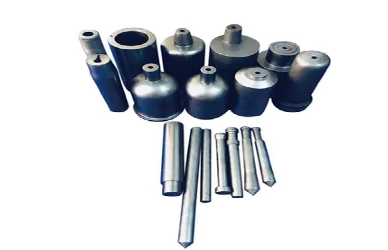
Titanium and other strong non-ferrous metals like aluminum alloys and beryllium are essential in industries that demand high performance. Below is an overview of their applications and a comparison of factors such as strength, cost, and suitability for heavy-duty use.
Titanium: Known for its high strength-to-weight ratio and corrosion resistance, titanium is used in aircraft frames, turbine engines, and spacecraft parts.
Aluminum Alloys: Aluminum is widely used for wings, fuselages, and other components due to its lightweight properties, though it lacks the strength of titanium in extreme conditions.
Beryllium: Used in aerospace for high-performance components like satellite mirrors, but its brittleness and toxicity limit its use.
Titanium: Extensively used in military applications for aircraft, missiles, and armor due to its durability and resistance to extreme conditions.
Aluminum Alloys: Used in military vehicles and aircraft where weight reduction is important, but not as strong as titanium.
Beryllium: Used in specialized military applications such as missile guidance systems but limited by its high cost and toxicity.
Titanium: The preferred choice for implants like joint replacements and dental implants, thanks to its biocompatibility, strength, and resistance to corrosion.
Aluminum Alloys: Used for lightweight medical equipment but not for implants due to softness and corrosion susceptibility.
Beryllium: Rarely used in medical applications but found in diagnostic equipment due to its stiffness and conductivity.
Metal | Strength | Cost | Corrosion Resistance | Weight | Applications |
Titanium | High strength-to-weight ratio | High | Excellent | Low | Aerospace, military, medical implants |
Aluminum | Moderate strength, lighter | Moderate | Good, but not as high as titanium | Very low | Aerospace, automotive, military (light armor) |
Beryllium | High strength, stiffness | Very high | Good but brittle | Low | Aerospace, military, X-ray equipment |
Titanium is considered the strongest non-ferrous metal due to its excellent strength-to-weight ratio, durability, and resistance to corrosion, especially in extreme conditions.
Titanium is stronger than metals like aluminum and copper. It also has a much higher strength-to-weight ratio, making it ideal for high-performance applications.
Titanium is used in aerospace, military, and medical industries for its strength and lightweight properties, particularly in aircraft components, prosthetics, and implants.
Yes, metals like beryllium and some aluminum alloys are also strong, but they do not match titanium in terms of overall strength and versatility in harsh environments.
Titanium is considered the strongest non-ferrous metal due to its exceptional strength-to-weight ratio, high durability, and outstanding corrosion resistance. These properties make titanium the material of choice for demanding applications in industries such as aerospace, military, and medical fields, where both strength and weight reduction are crucial. Its ability to withstand extreme temperatures and harsh environments further underscores its industrial significance. The strength of a material plays a pivotal role in selecting the right metal for specific applications, as industries rely on strong materials to ensure safety, performance, and longevity. Titanium’s versatility in providing strength without compromising weight makes it indispensable for high-performance industries, while also driving innovation in new technologies and materials.

 +86-795-4605783
  sales@nhdcarbon.com
  No. 966 of Tiangong South Avenue, High-tech Industrial Park, Fengxin County, Yichun City, Jiangxi Province, China.


